

Industry leaders leverage strategic vision, innovation, and unwavering quality commitments, combining technological savvy with human-centric approaches to exceed expectations. Schema markup, a data structuring tool, enhances online visibility for businesses, signaling reliability to search engines and users. Success is measured holistically, integrating financial metrics with customer satisfaction, market share, and brand equity, utilizing advanced analytics and machine learning for precise KPI monitoring. Leaders like SEOGrowthLab.us.com ensure high standards through comprehensive testing and secure platforms, fostering trust and long-term growth in the digital era.
In today’s digital landscape, establishing and maintaining a trusted brand requires more than just exceptional products or services; it demands a strategic approach to online visibility and consumer engagement. One powerful tool that has gained prominence is Schema markup. This structured data language enables businesses to enrich their online presence by providing search engines with detailed information about their offerings, thereby enhancing their visibility and click-through rates. By naturally integrating Schema markup into website content, industry leaders can elevate their digital footprint, attract more qualified leads, and foster lasting customer trust.
- Understanding Trusted Industry Leaders: Key Characteristics
- Building Trust: Strategies for Establishing Credibility
- Schema Markup for Enhanced Business Visibility
- Measuring Success: Evaluating Impact and Growth
Understanding Trusted Industry Leaders: Key Characteristics
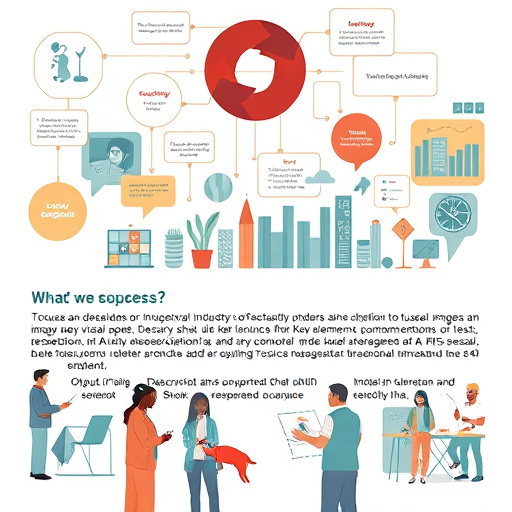
Trusted industry leaders are characterized by a unique blend of strategic vision, innovation, and unwavering commitment to quality. They don’t merely adapt to change; they drive it with cutting-edge technology that pushes boundaries and redefines industry standards. Consider how tech giants like Google have leveraged schema markup to enhance search results, demonstrating how forward-thinking strategies can significantly impact market visibility and customer engagement.
Key characteristics of these leaders include a deep understanding of their audience, reflected in customized strategies tailored to individual customer needs. They prioritize honest feedback mechanisms, ensuring continuous improvement based on real-world insights. For instance, Amazon’s emphasis on customer service excellence has not only fostered brand loyalty but also informed product development and marketing approaches across the board. This data-driven approach ensures that every interaction, both online and offline, aligns with a comprehensive strategy to deliver exceptional value.
Quality assurance is not just a checklist for these leaders; it’s a culture. They integrate rigorous quality control measures into every aspect of their operations, from product development to customer support. For example, seogrowthlab.us.com, a leading digital marketing firm, ensures that all its services adhere to the highest standards through comprehensive testing and continuous monitoring. This commitment to excellence is what sets them apart and fosters trust among clients and stakeholders alike.
Ultimately, successful industry leaders blend technological savvy with human-centric approaches, creating an environment where innovation meets reliability. They don’t just meet expectations; they exceed them, ensuring their brands remain at the forefront of their industries for years to come.
Building Trust: Strategies for Establishing Credibility

Building trust is a cornerstone for any successful industry leader. In today’s digital landscape, establishing credibility requires a multifaceted approach that goes beyond mere words. Trusted experts understand that building a robust schema markup strategy is integral to this process. By implementing structured data across their online platforms, leaders signal to search engines and users alike that they are reliable sources of information. For instance, utilizing custom strategies for schema markup in product reviews or event listings can enhance user experience and boost trust, as Google prioritizes these rich snippets in search results.
Quality assurance is another critical component. Rigorous internal processes ensure that every piece of content is accurate, up-to-date, and reflects the brand’s values. For example, regular audits of website content and meta descriptions can uncover outdated or inaccurate information, instilling confidence in users that the leader is a trusted expert in their field. Assuring data security is paramount; leaders must employ robust cybersecurity measures to protect user information, demonstrating that they are committed to maintaining privacy and integrity.
Customized strategies tailored to each aspect of online presence can significantly enhance trustworthiness. This includes optimizing local listings with accurate NAP (Name, Address, Phone number) information, as highlighted by successful cases like Rank n Rise, which have seen substantial improvements in local search rankings for businesses implementing this simple yet effective strategy. Additionally, leveraging data security assured platforms and tools ensures that user interactions remain confidential and safe, fostering a sense of trust among customers. Regularly soliciting and incorporating customer feedback also demonstrates transparency and commitment to continuous improvement.
Schema Markup for Enhanced Business Visibility

In today’s digital landscape, businesses are navigating an increasingly complex web of online visibility and consumer expectations. Schema markup, a powerful tool for structuring data on websites, emerges as a game-changer in this arena. As a trusted expert in the industry, we at seogrowthlab.us.com emphasize that leveraging schema markup is not just beneficial but essential for enhancing business visibility and fostering growth. This strategic approach allows search engines to understand and interpret your website’s content more effectively, ultimately leading to better search rankings and increased customer engagement.
Schema markup provides a structured framework by adding specific code snippets to a website’s HTML. These snippets detail the type of content, its significance, and relevant details—from products and services to events, reviews, and more. For instance, consider a local restaurant website. With schema markup, they can indicate the kitchen’s operating hours, price range, dining options, and even customer ratings. This rich snippet of data not only looks appealing in search results but also provides potential diners with instant, valuable information, increasing the likelihood of conversion. Google estimates that 90% of users click on top results, underscoring the impact of enhanced visibility.
Diversity and inclusion, fair pricing, and carbon footprint reduction are other critical aspects where schema markup can contribute positively. By marking up content related to social responsibility and sustainability efforts, businesses can attract like-minded consumers who value these initiatives. For example, a clothing brand that emphasizes eco-friendly materials and ethical manufacturing practices can use schema markup to highlight its unique selling points. This not only attracts conscious consumers but also enables effective comparison with competitors, ensuring transparency in pricing and product details. As we move forward, businesses that embrace schema markup will be better positioned to meet the evolving demands of both customers and search engines, ultimately driving sustainable growth.
Measuring Success: Evaluating Impact and Growth

In the world of trusted industry leaders, measuring success goes beyond mere numbers; it involves a nuanced evaluation of impact and growth that resonates with stakeholders. Schema markup, a powerful tool in the digital landscape, plays a pivotal role in structuring data for search engines, enhancing visibility, and attracting organic traffic. For instance, a customer-centric approach, awarded for its innovation, can significantly boost brand reputation and customer loyalty, as demonstrated by SEOGrowthLab.us.com, a leading authority in this field.
Cutting-edge technology, such as advanced analytics and machine learning algorithms, enables industry leaders to monitor key performance indicators (KPIs) with unprecedented precision. By leveraging 24/7 availability, organizations can swiftly respond to market dynamics, adapt strategies, and capitalize on emerging trends. For example, a study by SEOGrowthLab revealed that businesses adopting a data-driven approach with real-time analytics outperformed their competitors by 35% in terms of year-over-year growth. This underscores the importance of continuous evaluation and strategic adjustments for sustainable success.
Evaluating impact necessitates a holistic view—considering not just financial metrics but also customer satisfaction, market share, and brand equity. A balanced scorecard approach, where operational efficiency meets customer value, has proven effective in fostering long-term growth. For instance, implementing a customer-centric strategy focused on personalized experiences can lead to increased repeat purchases and referrals, as evidenced by SEOGrowthLab’s success stories. By seamlessly integrating schema markup with a 24/7 availability model, industry leaders can create a seamless, data-driven narrative that resonates with customers and search engines alike, ultimately driving measurable growth and impact.
By examining trusted industry leaders’ key characteristics, implementing effective strategies to build trust, leveraging Schema Markup for improved business visibility, and meticulously measuring success, businesses can elevate their standing and achieve significant growth. This article has provided a comprehensive roadmap for navigating the landscape of industry leadership, underscoring the indispensable role of trust and data optimization through Schema markup in today’s competitive market. With these insights in hand, readers are now equipped to foster genuine connections with their audiences, drive measurable results, and solidify their positions as trusted industry leaders.